
#1 As “Citizens” We Act from our “Larger Selves”
#2 We Counter the Natural Lure of Acting from Our
“Smaller Selves” and Becoming “Subjects”
#3 We Build on Our Strengths
#4 We Avoid the “Aw Shucks” Phenomenon
#5 We Avoid the “Competency Trap”
#6 It’s a Different Challenge for Different People
#7 We Act Now – We do Not Wait
#8 How We Can Act as Citizens – Example Categories
#9 We Can Take the Next 3-5 Steps
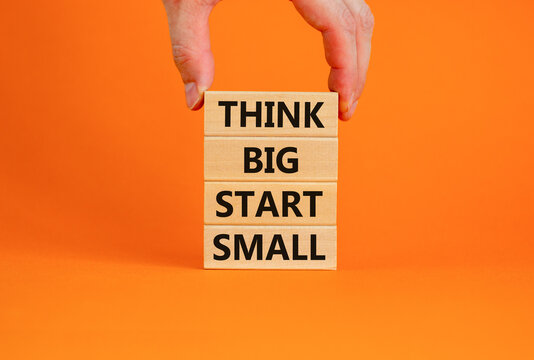
Many more actions are possible. Starting small is OK. The key is to be engaged in some ways and not on the sideline.
At this point in time we are challenged to be confident responsible “citizens” that act to make a difference – not weak insecure “subjects” that retreat into dependence.
Even if we feel small, we must “play large.” Being citizens vs. subjects requires acting from our larger selves because of the scope and scale of the challenges we face. Our larger selves come from a base of courage, commitment, responsibility, perseverance, and resilience – developed over a lifetime. Those qualities are there to a surprising degree if we call for them.
To protect the American experiment in democracy we must act from a sense that we can make a difference. Even if we don’t know exactly how or what difference we can make when we start – we just need to step up and start. We can stand upon and model the foundation blocks of American Greatness that we have inherited in order to draw upon our best – and we can find new “bests” in the process.
Our larger selves give us the confidence to take on the big tough issues any generation faces as well as the security to transcend our differences and sacrifice for the common good – just as the founders did and as Americans have over the past 250 years when called upon.

For Example – The Personal Qualities of Revolutionary Americans
One of the foundation blocks on which we can stand as we answer the call to act is a set of “larger self” qualities modeled by our founders. They modeled these qualities proving that it’s possible to succeed in an extraordinary challenge against all odds. We can draw upon their example of acting from their larger selves.
These are examples from our founding and our challenge now as citizens is to determine what is asked of us now and act to match the challenges we face.
#2 We Counter the Natural Lure of Acting from Our
“Smaller Selves” and Becoming “Subjects”
Our smaller selves are ruled by fear, by feeling weak, anxious, doubting, insecure, and by having little faith in our own abilities or those of our fellow citizens. Our smaller selves are characterized by victimhood,
grievances, the fear of “others” and a lack of confidence in our ability to carry the responsibility of governing ourselves.
When we retreat to our smaller selves we basically fall victim to a strong sense of needing to be taken care of – to be dependent – to be subjects, not citizens. It is fundamentally a belief that we can’t take care
of ourselves and need a “savior(s).”
To be citizens and not subjects we must directly acknowledge and counter the natural draw of giving up and retreating into our smaller selves – giving in to doubts, a lack of confidence in ourselves and each other as well as our processes and institutions – and the desire for an image of certainty (authoritarian rule)regardless of how empty that image always is.
And those authoritarian forces are relying on the ability to make Americans feel small and weak and unable to care for themselves – being diminished, giving up and becoming “subjects.” They do not want us acting from our “larger selves” as citizens. They want us acting from our weak “smaller selves” as subjects.
#3 We Build on Our Strengths
One of the most important factors in getting to sustained effective action is feeling competent to act. And we are competent to act. We have developed surprising strengths over the course of our lifetimes, and we can use those strength – now – and develop new strengths as we go.
We face challenges with a great deal of complexity and unknown and it can cause a lot of anxiety and doubt about our ability to be competent in acting to counter those challenges.
We have a great deal to learn, but it’s also true that we bring a lot of strengths to the game – strengths that we have developed over time in our personal and professional lives. The best way to develop the new strengths required is to build on our current strengths – while we take action.
Some of that strength building needs to be done to prepare for effective action, but most of it needs to happen while we are acting – while we are “in the game.” A major trap that we must avoid is getting stuck on the sidelines preparing to act. We have significant strengths. We can begin and “learn the way” as we go.
That is acting from our larger selves and being effective citizens. There are, however, a few natural pitfalls that we need to avoid that can pull us down into our smaller selves.
#4 We Avoid the “Aw Shucks” Phenomenon
The “Aw Shucks” phenomenon does not come from being humble. It comes from our smaller selves and is both a way to avoid our responsibility as citizens as well as being a lie. We are not helpless or inadequate. We are people of significance and perfectly capable of acting now – drawing on the personal or professional strengths we have developed – being citizens, not subjects
Falling prey to the “aw shucks” phenomenon is evidenced by the following thoughts or statements.

“Aw Shucks” Diminishes Us and is an Excuse to Not Commit
The “Aw Shucks’” phenomenon is real. And unfortunately it is pretty natural and very powerful.
The “Aw Shucks” phenomenon naturally undermines our “larger selves.” It must be seen and countered.
#5 We Avoid the “Competency Trap”
The trap is getting caught in preparing to get in the game to such an extent that we never really get off the sidelines. We prepare on the sidelines to be competent, but never get in the game, so authoritarians win by default.
However, feeling anxious about not being fully prepared is natural and it does need to be addressed. The fear of being incompetent – and maybe making things worse – is one of the sneakiest barriers to acting. But, we can acknowledge these dynamics and not be deterred by them if we act from our larger selves. The key is to commit to action without feeling fully prepared and completely “ready.”

There are two reasons why this works:
Our best approach is to discover the needed competencies with a sense of excitement, anticipation, and confidence (our larger selves). This is a major and never-ending challenge simply because there is so much for us to discover about our world and ourselves. And it can even be energizing, particularly if we are engaged with others.
If we fall prey to too much doubt, anxiety, or feeling inadequate (our smaller selves) we can end up paralyzed, diminished and of little use. It really is a choice and well within our control, so we need to act from our larger selves and avoid the competency trap.
It helps to think about building new strengths in three phases to keep the competency building challenge in perspective.
2. Developmental Goals – strengths you want to build “on the path” for increased effectiveness. Some of these knowledge sets and competencies may be evident before engaging and some will emerge as you act and learn. These are the strengths that can enable to you make larger and larger contributions as a citizen. Some may be evident in the beginning, and some may emerge with experience.
3. Stretch Goals – the ideal strength profile for you as a citizen. It’s always good to have stretch goals, but they should not slow down action at all. Nor should you feel bad if you don’t reach your stretch goals in the timeframe you initially set. They are stretch goals after all.
#6 It’s a Different Challenge for Different People
There is no formula or recipe for being an effective citizen. We all lead busy challenging lives with various demands. Our response to the call to act now will look different for different people. There is no single “right way” to answer the call. We just need to answer in our own way – now.
Some people are barely keeping their heads above water in general. Some people have resources and energy that they can redeploy to make a difference. Some people are more comfortable dealing with the unknown in the challenges we face than others. Some people have knowledge and skills that better match the challenges than others. Some people have family and friend groups that are more likely to support them than others.
In other words, “getting in the game” as an effective citizen is a radically different call to action for different people. There is no single “right way” to respond to the call to act. Each person needs to find their own path and we need to respect the differences. The key is to act and play a role, even a small role.
Small roles matter. Small roles can grow. Staying on the sidelines, however, is supporting the dramatic shift from citizen to subject. That’s what authoritarians count on.
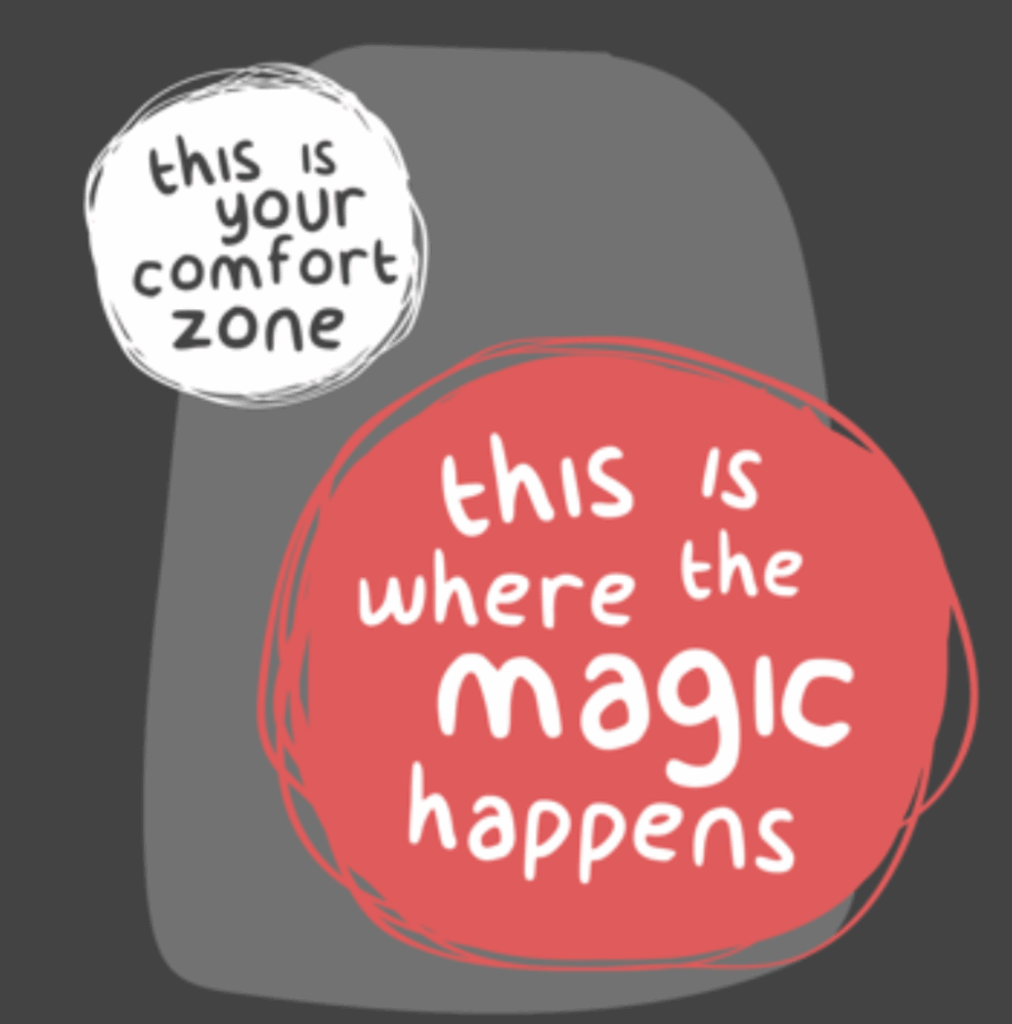
We can choose small actions and start immediately. We can add actions as we are ready. Note. “Being ready” does not mean feeling comfortable. It means being willing to take the risks and take the next steps. Our comfort zones will expand, but most of us will need to tolerate being outside of our comfort zones in the beginning.
#7 We Act Now – We do Not Wait
We are Either “in the Game” or “out of the Game”
Failing to act now is simply a way of passively supporting the authoritarians who want to rule us as subjects. We either step up, or we get stepped on. There is no middle ground. We can be active or passive subjects. But we can only be active citizens.
The American experiment in democracy is threatened – now. The big tough intimidating issues we face in our world require action – now. That means we need to act now. We can start small and increase our activity as we “learn the way” and get more comfortable acting. We can start even though we feel anxious and not ready and we can build our confidence and capability as we go. But, we need to act now.
#8 How We Can Act as Citizens – Example Categories
There is a surprisingly wide range of actions that we can take from our larger selves to be effective citizens right now and that’s both good and bad.
It’s good because there are a lot of actions that we can take as citizens right now. It’s bad because there are a lot of actions that we can take as citizens right now. So, the problem isn’t a lack of actions that we can take, it’s not being intimidated by how many there are and choosing which to take – now.
Citizen actions can range from protesting/challenging, advocating, donating money, and volunteering to collaborating with others, coaching/mentoring, teaching, setting policy, role modeling, etc. There are lots of places to act and lots of ways to act to make a difference – large or small.
We can choose different actions in the different domains in which we live. We are all members of various “worlds” or domains, and our actions can influence any of them – family, friends and acquaintances, neighborhoods, communities (local, national or international), organizations and corporations, faith communities, schools, etc. We just choose where to start. We can always expand our sphere of influence.
For Example:
Note. Make sure to leave “I’m just a volunteer” at the door. Bring the same commitment and professionalism that you would for a highly paid position. And, if the organization doesn’t take volunteers seriously, challenge them or move on.
#9 We Can Take the Next 3-5 Steps
Being a Citizen, not a Subject – and Modeling Aspects of American Greatness
Being a citizen and stepping up to model aspects of American Greatness vs. being stepped on as a “subject” of authoritarians is a big deal, but it does not need to be overly complex.
“Keep it simple.” You can choose 3-5 simple actions to get started or build on what you are already doing to add some momentum. The categories of action listed here are only examples to stimulate thinking and action. They are not prescriptive – not saying “you should do this.” There is no “right profile.” Some examples are more specific than others. Some are less obvious and require some exploration or experimentation. These are just examples.
Starting small is OK. The key is to be engaged in some ways as a citizen and not be on the sideline as a subject. We either act as citizens or we passively or actively support the authoritarians in destroying our hard-won democracy. There is really no middle ground. We step up or we get stepped on.
To get started you can simply choose 3-5 specific actions that you are willing to take – and take them. Then, based on your experience, you can continue them, build on them and add to them, or change them. If you are already heavily involved in fighting for our democratic way of life you will already be doing many of these, so simply affirm them and see if there are any more you can add if that is not too onerous.
#10 It’s a Matter of a Critical Mass
With a critical mass of individual citizen actions “the magic happens” – surprisingly.
Our smaller selves will argue that what we do as an individual person doesn’t
really matter because the challenges are so large and complex and we can’t see the answers at the beginning. It’s true that no single citizen can fix what’s wrong with our democracy or the world in which we live.
What’s also true – and much more important – is that the actions of individual citizens matter because what we need to achieve is “critical mass.” Without individual action, nothing changes, our democracy collapses, and we revert to being subjects of the authoritarians that are always lurking and looking for prey.
Remember Three Things
“Let no one be discouraged by the belief that there is nothing
one man or one woman can do against the enormous
array of the world’s ills — against misery and ignorance,
injustice, and violence… Few will have the greatness
to bend history itself; but each of us can work to change
a small portion of events, and in the total of all those
acts will be written the history of this generation.
It is from the numberless diverse acts of courage and
belief that human history is shaped. Each time a man
(or a woman) stands up for an ideal,
or acts to improve the lot of others, or strikes
out against injustice, he (or she or they) sends a tiny
ripple of hope, and crossing each other from a million
different centers of energy and daring, those ripples build
a current which can sweep down the mightiest
walls of oppression and resistance.”
Robert Francis Kennedy speech at Day of Affirmation,
University of Capetown, South Africa